
◂ BACK TO GEM ENCYCLOPEDIA
Ametrine
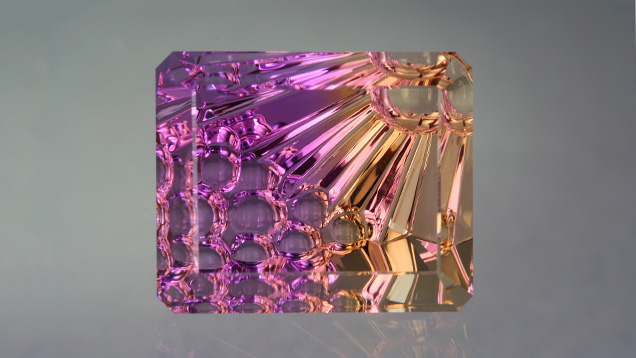
This transparent quartz has colors of both amethyst and citrine, and is called ametrine or amethyst-citrine.
.png)
See Gem As
Tools
Research
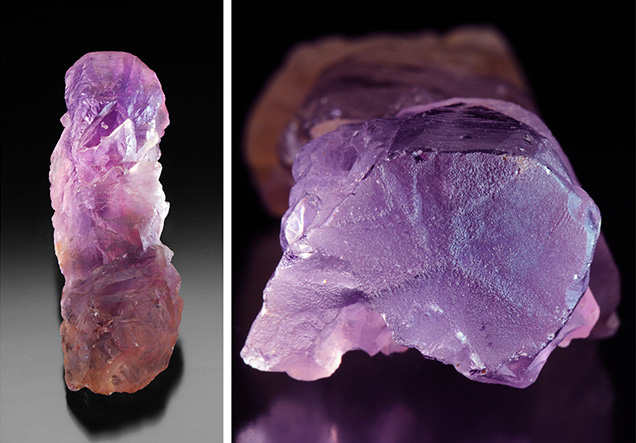
Ametrine Optical Dishes: Windows into the Effects of Crystal Structure
Optical activity is studied using a polished block of ametrine.
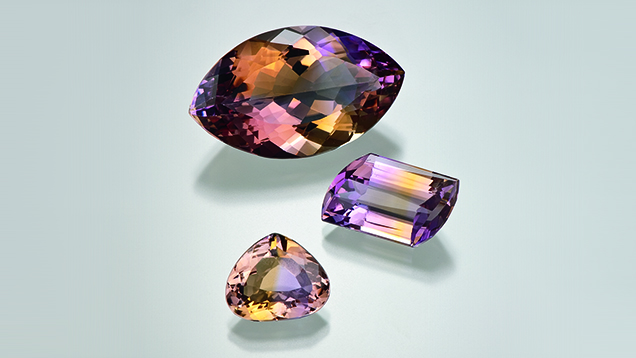
Update on Ametrine from the Yuruty Mine, Bolivia
A compilation of gem news from around the world, covering topics such as localities, unusual gem materials, market news, new products, discoveries, jewelry manufacturing techniques, and industry trends.
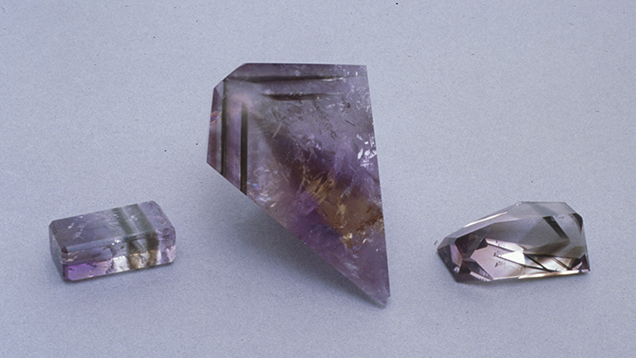
Ametrine with Layers of Smoky Quartz
An investigation of these Yuruty mine samples revealed an interesting new aspect to this bicolored quartz.
Russian Synthetic Ametrine
Gem-quality synthetic ametrine has been produced commercially in Russia since 1994.
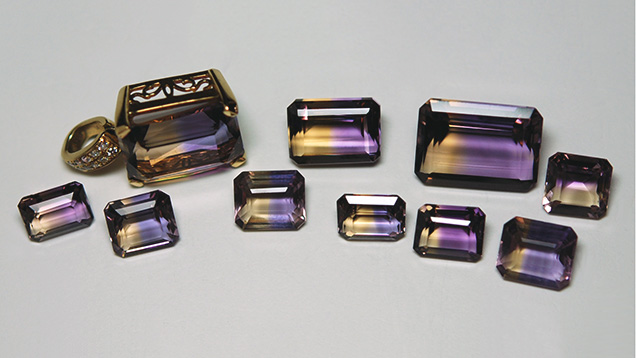
Using Conventional Equipment to Separate Natural from Synthetic Ametrine
A summary of the article “A simple approach to separate natural from synthetic ametrine,” by Francine Payette.
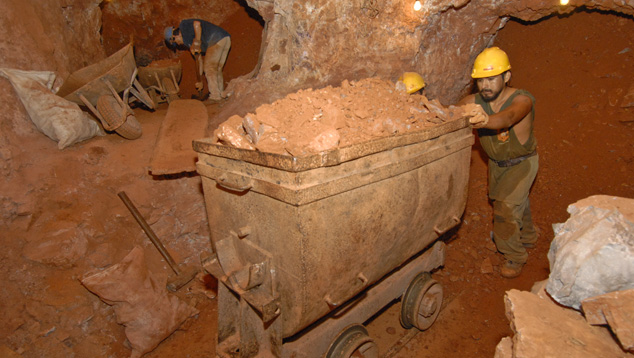
Anahí’s “New” Ametrine
The Anahí mine in southeastern Bolivia has enjoyed consistent production since 1990 and is best known for its ametrine.
The Anahí Ametrine Mine, Bolivia
The Anahí mine, Bolivia, has produced large amounts of amethyst, citrine, and amethyst-citrine for the gem market.
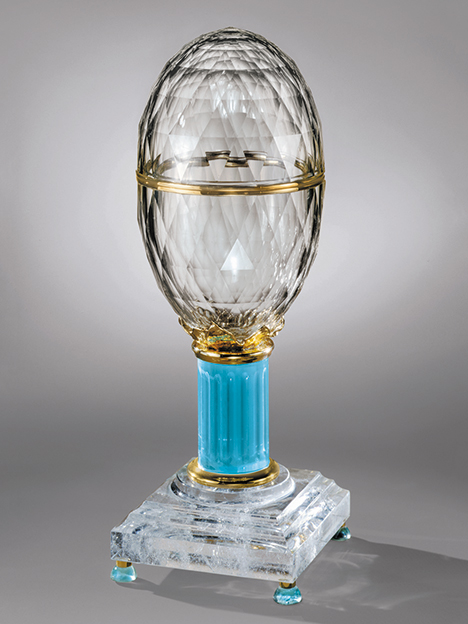
Exhibition Review: *Gemstone Carvings: The Masterworks of Harold Van Pelt*
A review of Gemstone Carvings: The Masterworks of Harold Van Pelt at the Bowers Museum in Santa Ana, California.
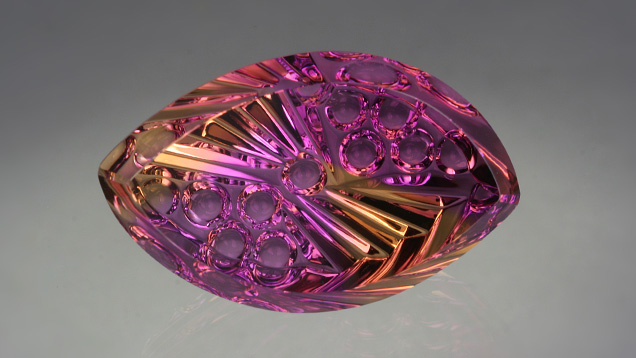
Ametrine Care and Cleaning
Learn about ametrine's durability and how to care for your ametrine jewelry.
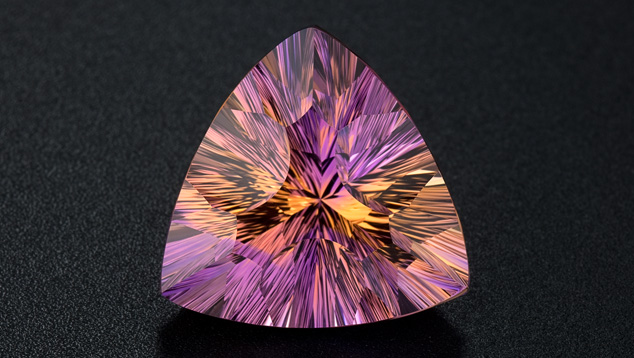
Ametrine Description
Transparent, bicolored quartz with the colors of both amethyst and citrine in the same gem is called ametrine or amethyst-citrine.
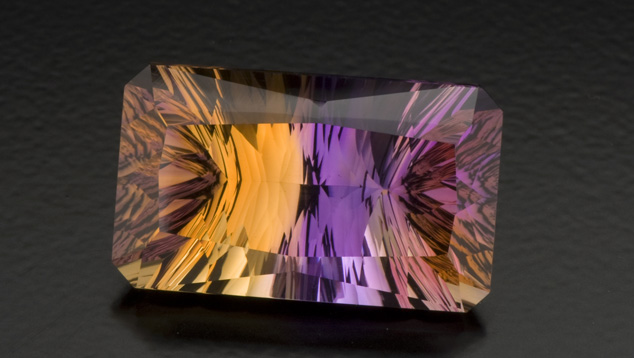
Ametrine History and Lore
The world’s only commercial source of ametrine is the Anahi mine in southeastern Bolivia. Legend has it that a Spanish conquistador discovered the mine’s location in the 1600s and introduced the gem to Europeans when he presented several specimens to his queen.