
◂ BACK TO GEM ENCYCLOPEDIA
Tourmaline
Tourmalines have a variety of exciting colors with one of the widest color ranges of any gem.
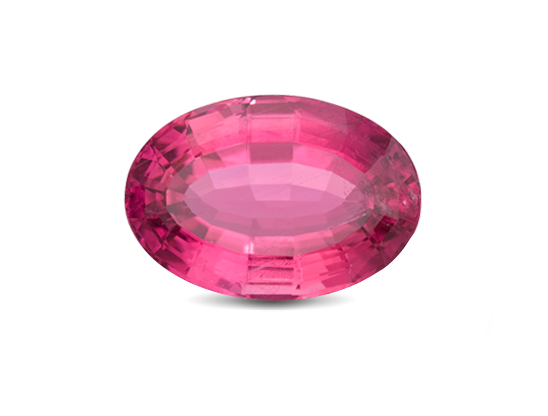
See Gem As
Tools
Research
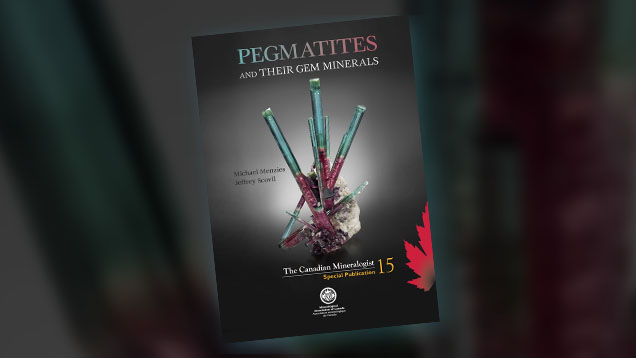
Book Review: Pegmatites and Their Gem Minerals
Review of Pegmatites and Their Gem Minerals, by Michael Menzies and Jeffrey Scovil.
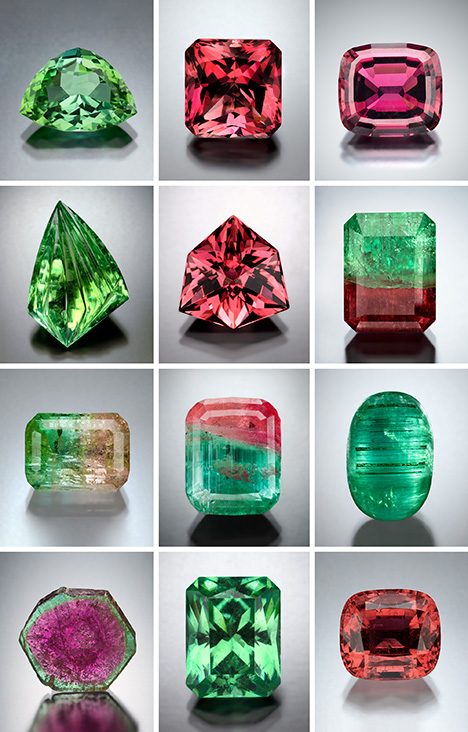
The Big Find: Celebrating 50 Years of Maine Tourmaline
The historic discovery of a Maine tourmaline source is celebrated through jewelry designs featuring gems unearthed 50 years ago.
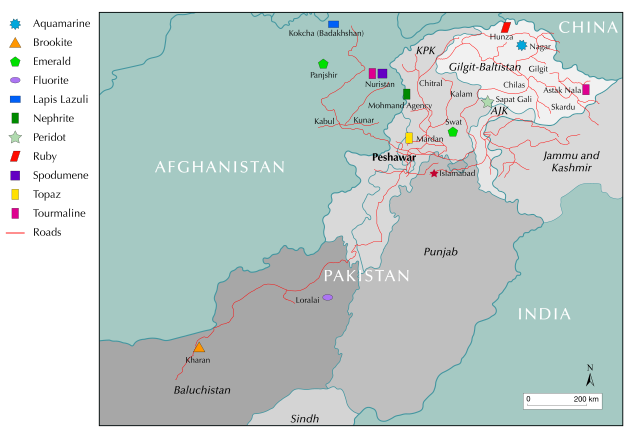
Namak Mandi: A Pioneering Gemstone Market in Pakistan
Documents Namak Mandi’s transformation from a salt market to one of Pakistan’s primary gem trading centers, with a look at the commercial activities taking place today.
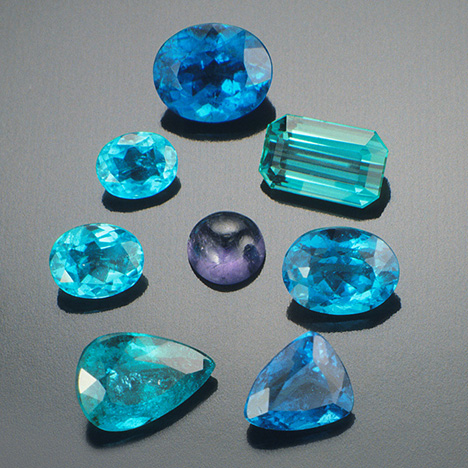
Geographic Origin Determination of Paraíba Tourmaline
Copper-bearing gem tourmaline, known as Paraíba tourmaline after the location of its original discovery, is prized for its vivid blue to green color. This article explains GIA’s use of quantitative chemical analyses to distinguish samples from Brazil, Nigeria, and Mozambique.
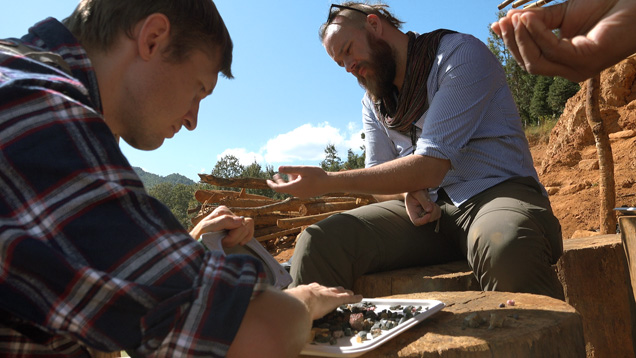
Field Gemology: Building a Research Collection and Understanding the Development of Gem Deposits
With more than 90 field expeditions on six continents since 2008, GIA has accumulated over 22,000 colored stone reference samples. This extensive collection of colored stones with known origins supports GIA’s research on geographic origin determination.
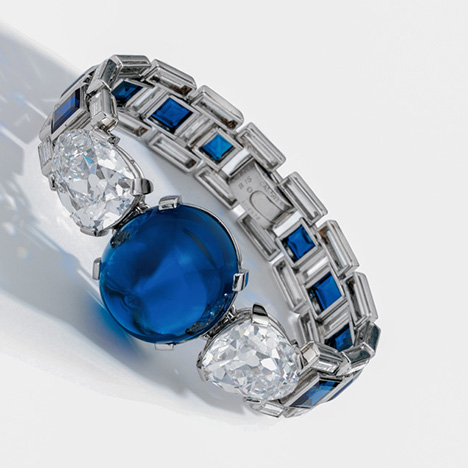
The Geographic Origin Dilemma
An overview of the geographic origin complexities facing the gem and jewelry industry today.
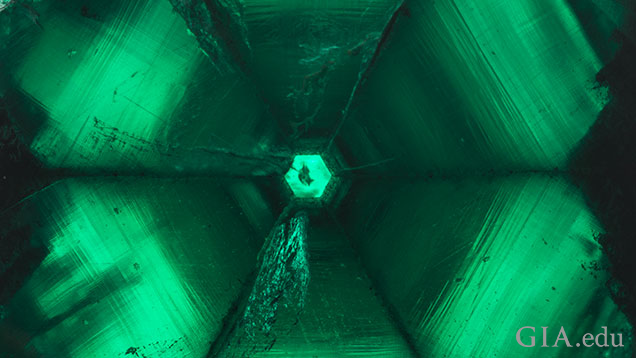
Emerald: The Superstar of Trapiche Gemstones
Trapiche emeralds, which display a distinct six-spoke wheel pattern, set the standard as some of the finest and most spectacular crystals unearthed.
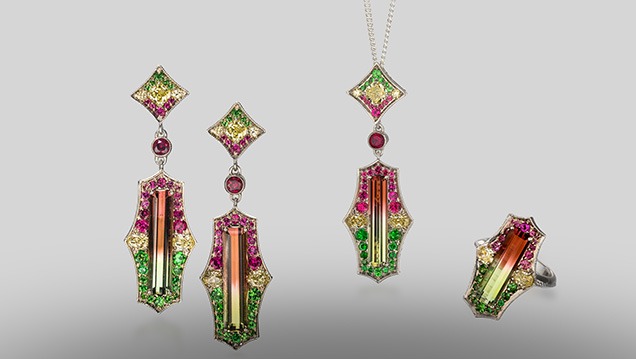
A New Method for Determining Gem Tourmaline Species by LA-ICP-MS
Presents a simplified but comprehensive classification of gem tourmaline species based on quantitative measurement of six common major elements.
Appendix 1: Comparison of LA-ICP-MS and EPMA Data, Part 1
Comparison of LA-ICP-MS and EPMA Data, Part 1
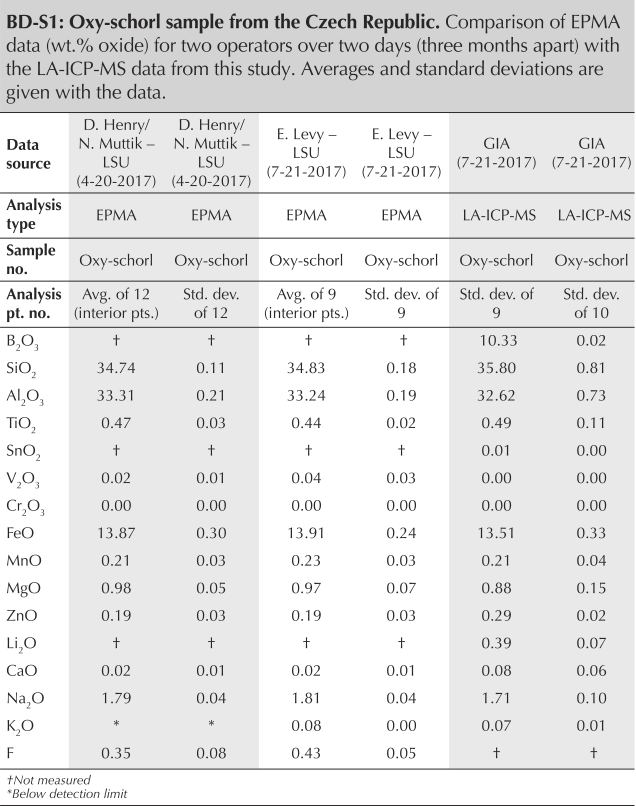
Appendix 2: Comparison of LA-ICP-MS and EPMA Data, Part 2
Comparison of LA-ICP-MS and EPMA Data, Part 2
Appendix 3: Calculation Method for Tourmaline Species Classification Used Here
Calculation Method for Tourmaline Species Classification Used Here
Appendix 4: Guideline for Simplified Distribution of Site Occupancy for LA-ICP-MS Data
Guideline for Simplified Distribution of Site Occupancy for LA-ICP-MS Data